

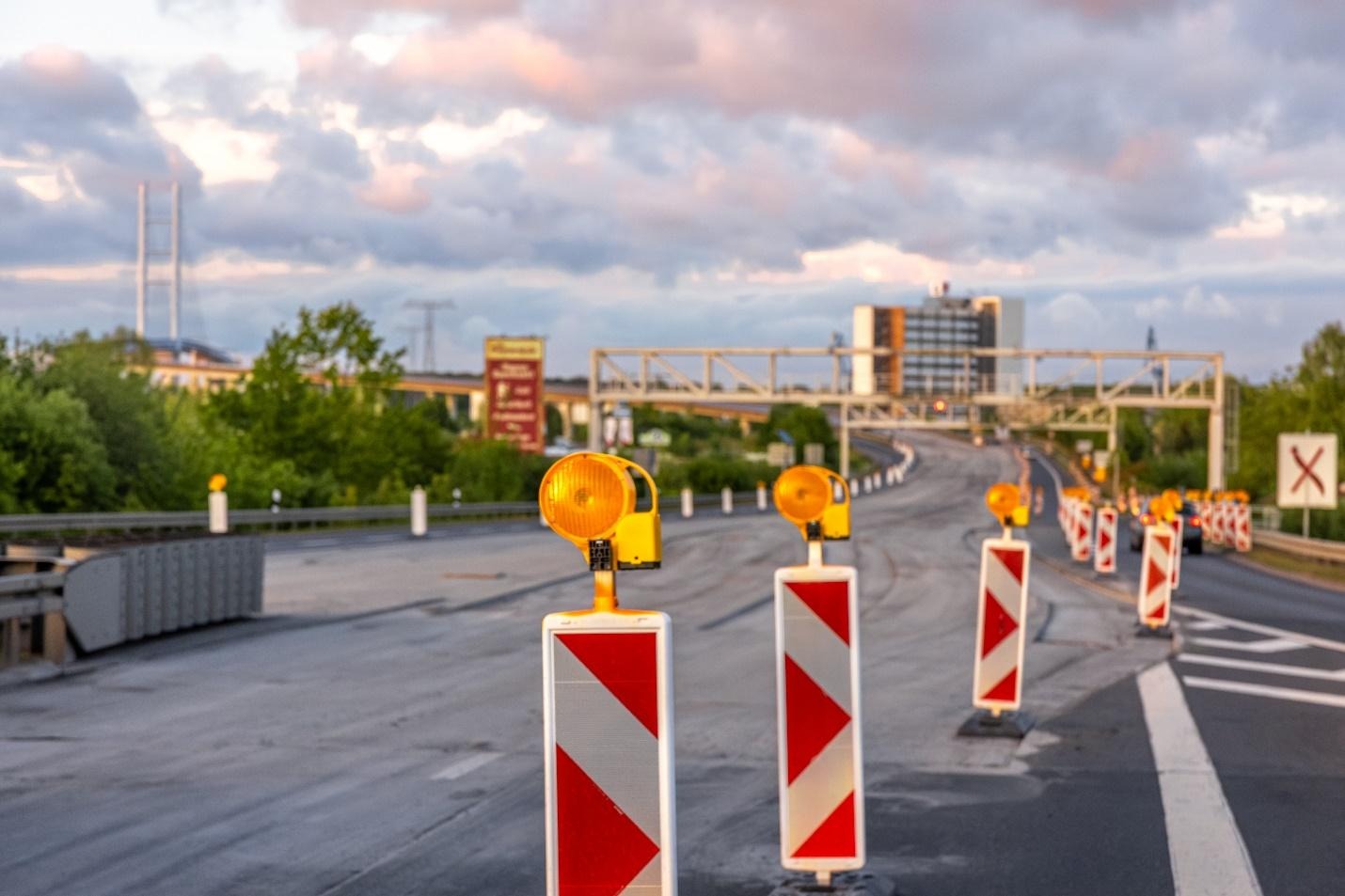
Transportation agencies, construction firms, and traffic management personnel continue to face the challenge of roadway safety as one of the most critical issues. Thousands of accidents do happen near highway barriers, construction areas, exit ramps, and stationary objects.
Road signs, barriers, and warning systems contribute to reducing risks, but impact protection systems are important in reducing impact when crashes do occur. The knowledge of how these systems work and where and how they are being applied can assist organizations in making safer, informed decisions about roadway safety.
Purpose of Impact Protection Systems
There are many stationary hazards on roadways that can pose a risk in a high-speed wreck. If vehicles stray from their lanes, the area behind the bridge, concrete barriers, toll booths, work zones, and structures in the bridge medians are all potential hazards.
When a direct impact is involved, traditional barriers are not adequate for protection. Crash cushion attenuators are designed to dissipate impact force by absorbing the kinetic energy of the impact. The systems can steer vehicles in a controlled way or slow them down, helping minimize the chance of serious injury and death.
Roadway engineers typically install these systems in areas with the highest risk for accidents.
Crash Cushion Attenuator Types
Gating vs. Non-Gating
Gating systems are designed to fold away, allowing the vehicle to pass through the barrier. It requires a large, clear stopping zone.
Non-Gating systems do not fold and absorb the impact completely through resistance.
Redirective vs. Non-Redirective
Redirective affects a colliding vehicle safely back into the traffic flow away from workers or hazards.
Non-Redirective absorbs the impact and captures/stops the vehicle entirely, preventing it from rebounding back into traffic.
Sand Barrel Arrays
These are placed in front of highway gore points or bridge piers. They use varying weights of sand to progressively absorb impact.
Water-Filled Attenuators
They utilize interconnected plastic modules filled with water to absorb kinetic energy. They are generally temporary, gating, and non-redirective.
Common Places to Use Attenuators
Crash attenuation systems are frequently placed in high collision exposure areas. The additional impact protection is often needed for highway exit ramps, lane separations, toll plazas, construction zones, and similar areas.
Portable attenuation systems can be particularly useful in temporary work zones where road layouts and traffic flow can vary frequently. The placement of an attenuation system is carefully considered by the transportation department based on traffic speed, roadway geometry, and accident history.
Factors to Consider When Choosing a Crash Cushion System
Not every attenuation system will work for all roadway conditions.
- The selection of systems depends on traffic speed, space available for installation, roadway design, maintenance requirements, and expected traffic volume.
- Portable systems are generally used for temporary construction jobs, and fixed attenuation structures are typically used for permanent highway installations.
- Consider the weather exposure, corrosion resistance, and accessibility for maintenance when planning.
- The choice of a suitable system depends on the need to balance safety performance, durability, installation, and operational costs.
- With a professional engineering approach, the selected system meets roadway safety goals and regulatory requirements.
