

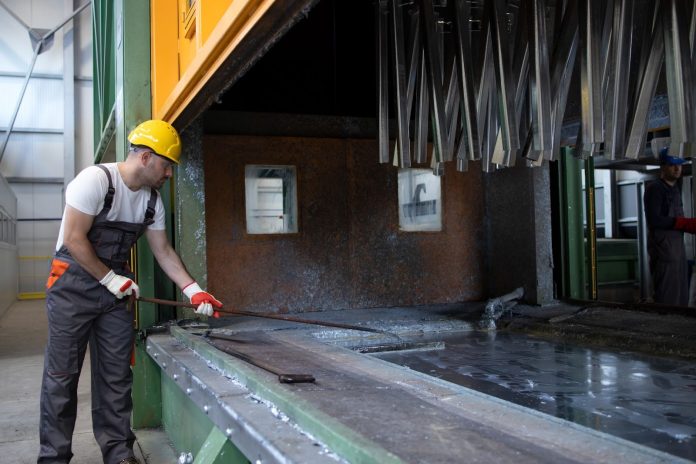
Contamination of metal by rubber is a frequent phenomenon in the manufacturing sector, automotive, and maintenance. Rubber residue may influence the performance, appearance, and functionality of metal.
It is essential to take away the leftover tire material, seals, gaskets, and industrial rubbers in an effective way without destroying the metal. A number of methods may assist in the safe and effective rubber removal. The following are the best procedures to remove rubber from the metals.
Mechanical Scraping and Brushing
One of the simplest ways of cleaning up the rubber is through mechanical cleaning. Rubber is removed from metal surfaces carefully using plastic or metal scrapers, wire brushes, or rotary tools.
This is effective for thick or stubborn rubber removal from metal deposits. When using the tool, it is important to make sure that it does not scratch or harm the underlying metal. It is necessary to clean up regularly after scraping to ensure that no residue is left that can influence meta performance.
Heat Application
By heating it, rubber can be eased off metal surfaces. Heat guns or hot air tools in industry are used to heat rubber deposits without affecting the metal. After softening, the rubber may be scraped or wiped off easily.
This is especially effective with tires, seals, or hardened rubber layers. Heat should be used with precautionary measures, including gloves and ventilation.
Solvent-Based Removal
There are special chemical solvents that dissolve rubber and leave metal surfaces unaffected. These solvents dissolve rubber molecules, thus wiping or scrubbing easily.
Citrus-based cleaners or acetone or commercial rubber removers are popular. For industrial settings, proper equipment like chiller hire may be used to maintain the correct temperature while working with these chemicals. Gloves and eye protection are necessary in order to avoid skin irritation or chemical burns.
Pressure Washing and Abrasive Blasting
The removal of rubber on an industrial scale can be done through high-pressure washing or abrasive blasting. Pressure washers can be used to loosen rubber on the larger metal surfaces throughout, and abrasive blasting employs fine particles such as sand or glass beads to clean up the more difficult residue.
These processes are quick and effective and need special equipment and training to prevent surface damage to metals. They fit perfectly in automotive parts, machinery, or metal sheets.
Ultrasonic Cleaning
Ultrasonic cleaning involves high-frequency sound waves in a liquid solution applied to the metal surface to clean it (removal of contaminants such as rubber). The sound waves form tiny bubbles that loosen the rubber particles of the metal.
It is soft, accurate, and suitable for small, complex metal components. Ultrasonic cleaning provides less manual labor, completeness in removal, and preservation of sensitive metal parts’ integrity.
Combination Techniques for Tough Residue
Rubber deposits can be stubborn at times, and several removal methods may need to be combined. However, an example is that the efficiency of applying a solvent or mechanical scraping can be enhanced by heating the rubber.
Abrasive blasting, used together with solvent treatment, may also be used to remove heavily embedded rubber on large metal surfaces. A strategic mixture makes sure that cleaning is done thoroughly without causing much damage to the metal surfaces.
